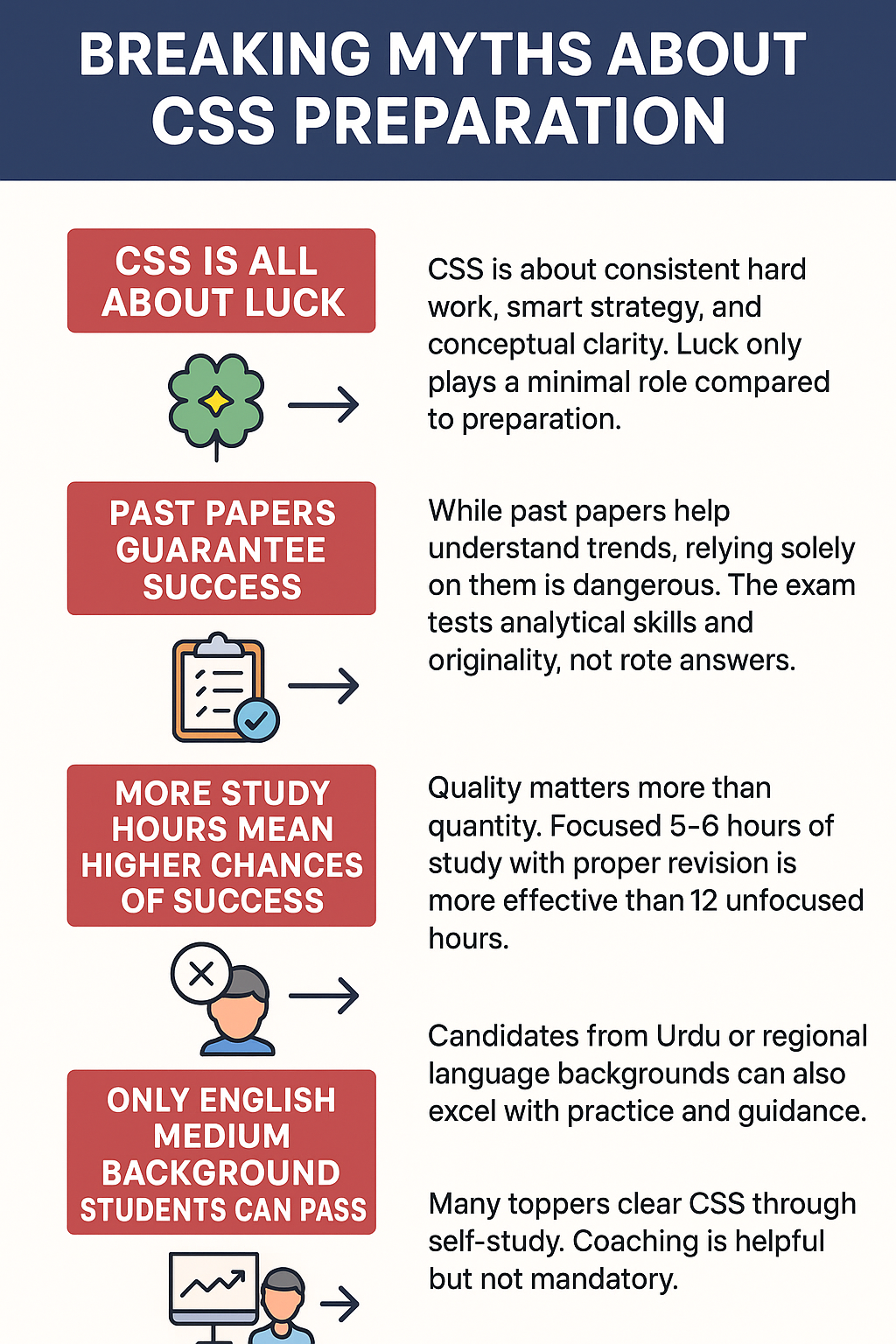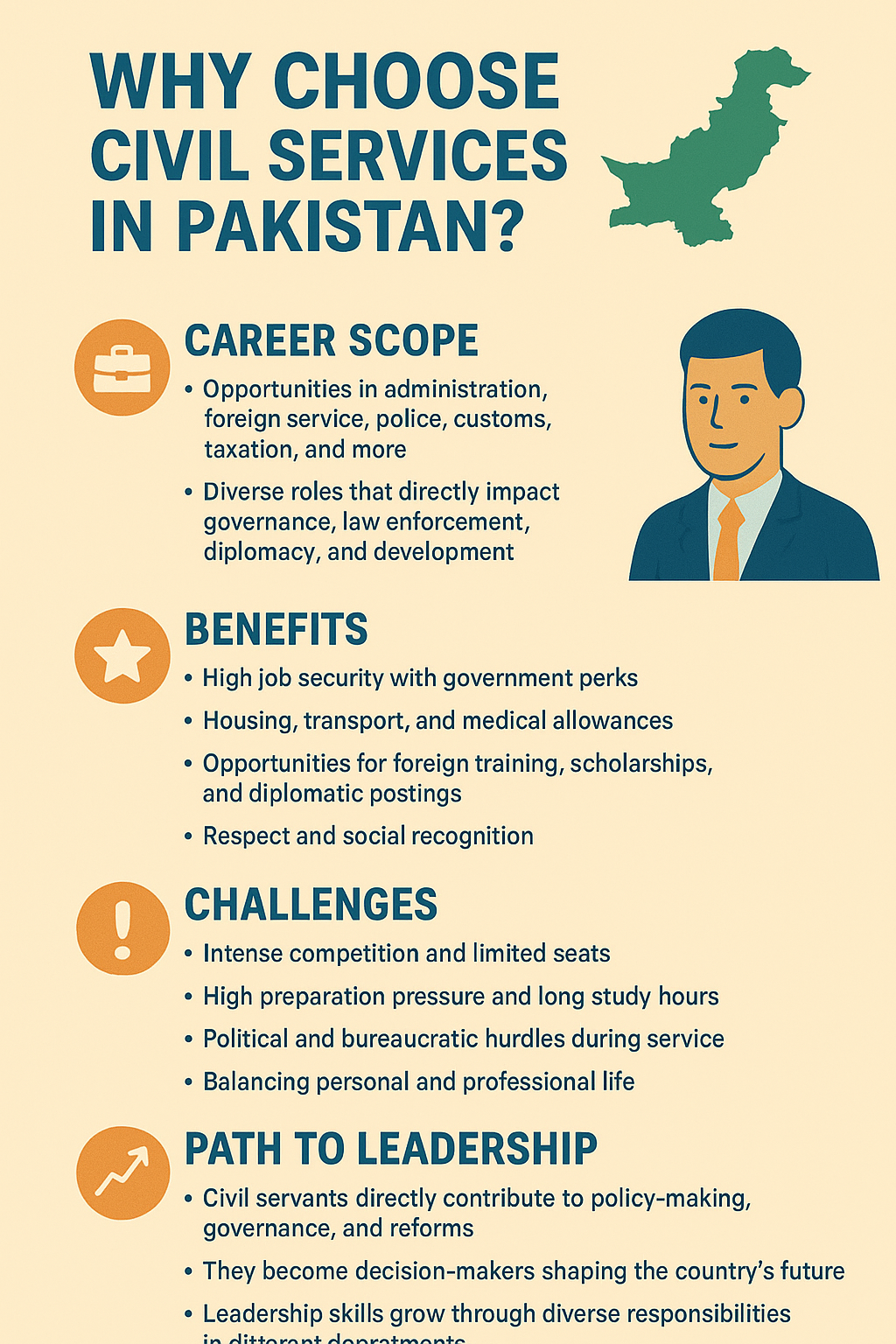
The Central Superior Services (CSS) exam in Pakistan is a gateway to prestigious civil service careers, but its English Essay paper remains a formidable challenge. With a reported 92% failure rate in this section (FPSC Annual Report, 2023), mastering the CSS essay is critical for aspirants aiming to join Pakistan’s elite bureaucracy. This comprehensive, topper-approved guide for 2025 offers a detailed, engaging, and practical strategy to craft high-scoring essays of 2500–3000 words, as per Federal Public Service Commission (FPSC) requirements. Packed with actionable tips, real-world examples, inspiring quotes, and verified references, this guide empowers you to write compelling essays that avoid common pitfalls and impress examiners. Whether preparing for CSS or Provincial Management Services (PMS), this strategy transforms the essay paper into your strongest asset.
Why the CSS Essay Paper Matters
The essay paper is the most decisive and feared component of the CSS and PMS exams. It evaluates critical thinking, coherence, intellectual maturity, and the ability to articulate complex ideas under time constraints. Unlike other papers, the essay reflects your personality, worldview, and capacity to connect ideas logically. The FPSC mandates essays of 2500–3000 words on topics spanning current affairs, socio-economic issues, governance, and abstract philosophical themes. A well-crafted essay can significantly boost your overall score, while a poorly written one can jeopardize your chances. According to the FPSC’s marking scheme, 60% of the score is based on content (argumentation, evidence, and relevance), and 40% on language and style (clarity, grammar, and expression). Mastering the essay requires a strategic approach, disciplined practice, and awareness of examiner expectations.
“Excellence is not a skill. It is an attitude.” — Ralph Marston
This guide outlines the four pillars of a high-scoring essay—structure, ideas, language, and references—and provides a roadmap to craft essays that stand out.
Understanding Examiner Expectations
Examiners evaluate CSS essays based on specific criteria outlined in the FPSC’s guidelines:
- Clarity of Argument: A clear, debatable thesis supported by logical evidence.
- Structure and Flow: A coherent framework with a compelling introduction, well-organized body, and impactful conclusion.
- Language and Style: Formal tone, varied vocabulary, and error-free grammar.
- Originality and Evidence: Fresh perspectives backed by relevant examples, case studies, and credible references.
Crafting the Perfect Essay Structure
A well-organized essay is like a roadmap that guides examiners through your thoughts. As CSS mentor Riaz Laghari notes, “The pen is not just mightier than the sword. In the CSS exam, it is the sword.” A clear structure ensures coherence and leaves a lasting impression. Below is a topper-approved framework for CSS and PMS essays:
1. Introduction: Hook, Context, and Thesis (10%)
The introduction sets the tone and captures the examiner’s attention. Start with a compelling hook—a quote, statistic, or thought-provoking question. For example, on the topic “Climate Change and Pakistan,” you might begin:
“In 2022, Pakistan’s catastrophic floods displaced over 33 million people, a stark reminder that climate change is no longer a distant threat but a present crisis.” (UNDP, 2023)
Next, provide context to orient the reader, mentioning key events or trends, such as Pakistan’s vulnerability to climate disasters. Conclude with a clear, debatable thesis statement outlining your essay’s main argument. For instance:
“This essay argues that integrating sustainable development, renewable energy, and international cooperation is essential to mitigate Pakistan’s climate crisis.”
Example Introduction (Topic: Democracy in Pakistan):
“‘Democracy is not just a system; it’s a promise of empowerment,’ yet Pakistan’s democratic journey has been marked by triumphs and tribulations. From military interventions to electoral reforms, the nation has struggled to balance stability with public participation. This essay contends that strengthening democratic institutions through electoral transparency and civic education is crucial for Pakistan’s long-term prosperity.”
2. Body Paragraphs: Argument, Evidence, Analysis (70%)
The body is the heart of your essay, comprising 15–20 paragraphs to meet the 2500–3000-word requirement. Each paragraph should follow the PEEL method (Point, Evidence, Explanation, Link) for clarity:
- Point: Introduce the paragraph’s main idea, linking it to your thesis.
- Evidence: Provide facts, statistics, or examples (e.g., Pakistan’s 18th Amendment for governance or Finland’s education model for reforms).
- Explanation: Analyze the evidence’s significance and its relevance to your argument.
- Link: Connect back to the thesis or transition to the next point using phrases like “Moreover,” “However,” or “In contrast.”
Example Body Paragraph (Topic: Governance in Pakistan):
“Pakistan’s governance crisis stems from systemic inefficiencies and lack of accountability. The 2013 Public Accounts Committee report revealed billions in unaccounted public funds, highlighting corruption’s grip on institutions (Dawn, 2013). This erodes public trust and hampers development. By adopting Singapore’s merit-based civil service model, which emphasizes transparency, Pakistan can strengthen institutional integrity. Such reforms align with the broader goal of fostering good governance for sustainable development.”
You can also include 1–2 counterargument paragraphs to demonstrate intellectual maturity. For example, when arguing for democracy, acknowledge challenges like voter apathy or elite capture, then refute them with solutions like civic education or electoral reforms. Aim for 15–20 body paragraphs, each approximately 100–150 words, covering distinct aspects (e.g., social, economic, political, environmental) to ensure depth and breadth.
3. Conclusion: Restate, Summarize, Inspire (10%)
The conclusion reinforces your thesis without repeating it verbatim. Summarize key points concisely and end with a forward-looking statement—a call to action, policy suggestion, or reflection. As UPSC topper Anudeep Durishetty advises, “Conclude with a visionary note that inspires hope or action.”
Example Conclusion (Topic: Climate Change and Pakistan):
“In conclusion, Pakistan’s climate crisis demands urgent action through sustainable policies, renewable energy adoption, and global partnerships. By prioritizing community-driven conservation and aligning with SDG-13 (Climate Action), the nation can safeguard its future. As Nelson Mandela said, ‘It always seems impossible until it’s done.’ Pakistan must act decisively to turn the tide against climate change.”
4. Outline: Planning on the Answer Sheet (10%)
Before writing, spend 35–45 minutes creating an outline on the answer sheet, as per FPSC guidelines. List 10–20 main arguments, allocate word counts (e.g., 100–150 words per body paragraph), and note key examples or references. This roadmap ensures coherence and demonstrates strategic thinking to examiners.
Example Outline (Topic: Education Reforms in Pakistan):
- Introduction (250 words): Hook (literacy statistic), context (education crisis), thesis (reforms for access and quality).
- Body Paragraph 1 (~120 words): Historical background (2.8% GDP spending—UNESCO, 2023).
- Body Paragraph 2 (~120 words): Gender disparities (UNDP, 2023; Ehsaas Program).
- Body Paragraph 3 -15(~120 words): Additional sub-themes (e.g., funding, curriculum reform, private sector role).
- Body Paragraph 16 (150 words): Counterargument (high reform costs) and rebuttal (long-term benefits).
- Conclusion (250 words): Summarize, propose policy (increase education budget to 4%).
Generating Compelling Ideas
Original, relevant ideas are essential for a high-scoring essay. Here’s how to brainstorm effectively:
1. Understand the Topic
CSS/PMS topics cover social, economic, political, or environmental issues. Break the topic into sub-themes. For “Education Reforms in Pakistan,” sub-themes include access, quality, gender equity, technology, and funding.
2. Use Mind Mapping
Place the topic in the center and branch out with sub-themes, examples, and counterarguments. For “Climate Change,” branches might include floods (2022 Pakistan floods), policy (National Climate Change Policy, 2021), and global cooperation (COP28).
3. Stay Relevant to Pakistan
Incorporate local examples like the Ehsaas Program (2019), CPEC, or the 2024 National Education Policy to demonstrate awareness of national issues, a key FPSC criterion.
4. Balance Arguments
Address counterarguments to show critical thinking. For governance essays, acknowledge challenges like corruption (Transparency International, 2024) while advocating solutions like digital accountability platforms.
“An essay is not a mere collection of facts, but a coherent narrative that persuades and enlightens.” — UNESCO Writing Guide
Mastering Language and Style
Language can elevate or undermine your essay. Focus on clarity, variety, and sophistication:
- Clarity and Concision: Avoid complex sentences. Instead of “The augmentation of educational paradigms necessitates multifaceted interventions,” write, “Improving education requires diverse strategies.”
- Varied Sentence Structure: Mix short and analytical sentences. Example: “Pakistan faces a literacy crisis. Only 60% of adults can read and write (UNESCO, 2023). Without reform, economic progress will stall.”
- Powerful Vocabulary: Use precise terms like “socio-economic disparity” or “geopolitical dynamics” sparingly to add sophistication without sacrificing readability.
- Formal Tone: Avoid slang. Write in the third person for objectivity, e.g., “The government should prioritize education.”
- Proofreading: Eliminate grammatical errors. As CSS topper Alishba Abrar notes, “Clarity trumps complexity in essay writing.”
Leveraging Credible References
References add depth and credibility. Use them strategically:
- Credible Sources: Cite Dawn, The News, UNDP, World Bank, or Pakistan Economic Survey (2024). Example: “Pakistan’s education spending is 2.8% of GDP, below the recommended 4–6% (UNESCO, 2023).”
- Relevant Quotes: Use 2–3 quotes from scholars or historical figures. Quaid-e-Azam’s “Unity, Faith, Discipline” strengthens essays on national integration.
- Recent Developments: Reference 2023–2025 events, like the 2024 National Education Policy or SDG commitments.
- Balance: Avoid over-quoting or fabricating data. Ensure references support your analysis.
Choosing the Right Topic
Topic selection is critical. Read all options carefully and shortlist two. Ask:
- Can I generate 10–20 solid arguments?
- Can I support them with data, examples, and logic?
- Is my perspective clear and debatable?
Choose topics you understand deeply, avoiding abstract ones unless practiced. For example, opt for “Governance in Pakistan” over “Artificial Intelligence” if you lack technical knowledge.
Common Mistakes to Avoid
Avoid these pitfalls to excel:
- Off-Topic Writing: Stick to the question to avoid wasting words.
- Lack of Structure: Disorganized essays confuse examiners. Use the outline on the answer sheet.
- Overgeneralization: Avoid vague claims like “Pakistan has many problems.” Specify, e.g., “Pakistan’s energy crisis stems from fossil fuel reliance.”
- Grammatical Errors: Proofread to maintain professionalism.
- Ignoring Counterarguments: Address opposing views to show critical thinking.
- Time Mismanagement: Allocate 30–40 minutes for planning and outlining to ensure coherence within the 3-hour limit.
Practice Strategies for Success
Success requires consistent practice:
- Weekly Essays: Write one 2500–3000-word essay under exam conditions (3 hours) using past CSS topics like “Pakistan’s Climate Crisis” (2024).
- Analyze Topper Essays: Study essays from toppers for structure and coherence.
- Seek Feedback: Share essays with mentors or peers via platforms like CogitaVerse.
- Memorize Quotes: Keep a notebook with versatile quotes, e.g., Benjamin Franklin’s “Life’s tragedy is that we get old too soon and wise too late” .
- Stay Updated: Read Dawn, The News, or The Guardian for current affairs (e.g., 2022 floods, CPEC).
- Start Small: Practice introductions or single paragraphs, then shift to full essays after 1–2 months.
Final Thoughts
Mastering the CSS essay requires discipline, clarity, and strategic preparation. By crafting a structured outline on the answer sheet, developing 15–20 cohesive body paragraphs, using credible references, and practicing consistently, you can create essays that showcase intellectual prowess. As CSS topper Muhammad Abrahim Shah says, “A high-scoring essay is a blend of clarity, coherence, and critical thinking.” Start your preparation today, write with purpose, and let your essay carve your path to success in the CSS exam.
“Ideas are the beginning points of all fortunes.” — Napoleon Hill
Proudly Powered By